
.png)

Teaching high school requires a wardrobe that
balances authority with approachability, professionalism with practicality. You
need to look put-together while bending down to help a student, walking between
rows of desks, writing on boards, and standing for six hours straight. The
clothes must withstand daily wear, frequent laundering, and the scrutiny of
teenagers who notice everything. Spring brings additional variables —
fluctuating classroom temperatures, outdoor supervision duties, and end-of-year
events that require slightly more formal presentation.
This weekly outfit guide provides five
complete looks for spring 2026 that address these requirements without
requiring extensive wardrobe investment or time-consuming styling. Each outfit
uses versatile pieces that can be rotated and recombined across multiple weeks,
prioritizes comfort and movement, and maintains the professional standard
expected in educational settings. The approach is practical rather than trendy,
sustainable rather than disposable.
Core Principles for Teacher
Spring Wardrobes
Teacher clothing operates under constraints
that office professionals rarely face. You are visible to 100-plus students
daily, which means outfit repetition is noticed and commented upon. You move
constantly — standing, sitting, reaching, bending — which eliminates clothing
that restricts movement or requires constant adjustment. You work in
environments with unpredictable climate control, where classrooms can shift
from overheated to freezing within a single day. And you do this five days a
week on a salary that does not typically support frequent wardrobe replacement.
The solution is not to buy more clothes but
to buy better clothes and combine them strategically. Five well-chosen tops,
three pairs of trousers or skirts, two cardigans, and one blazer can produce
three weeks of distinct outfits when rotated properly. The investment should go
into quality basics in neutral colors that withstand frequent wear, with
seasonal interest provided by accessories, lighter layers, and one or two
accent pieces in current colors.
Spring 2026 sees continued preference for
natural fibers, relaxed tailoring, and muted color palettes — all of which work
well for teachers. Avoid anything too trendy, too tight, or too delicate. The
test for any teacher outfit is simple: can you wear it for an entire school
day, including lunch duty and after-school meetings, without discomfort or
wardrobe malfunction? If the answer is no, the outfit fails regardless of how
good it looks.
Five Complete Outfits for the
School Week
Building Blocks: The Essential Pieces
Before presenting the weekly outfits,
establish the foundational pieces these looks rely on. These items work across
multiple combinations and justify their cost through repeated use:
• Tops: White button-down shirt
(cotton or linen blend), striped boat-neck tee (navy/white), silk-blend shell
in soft coral, chambray shirt, cream knit sweater.
• Bottoms: Navy wide-leg trousers,
khaki straight-leg chinos, A-line midi skirt in olive green.
• Layers: Oatmeal cardigan
(lightweight cotton), navy blazer (unstructured, stretch fabric).
• Footwear: Leather loafers (brown or
tan), low block-heel ankle boots (black), canvas sneakers (white or cream).
Monday:
The Structured Start

The Outfit Formula:
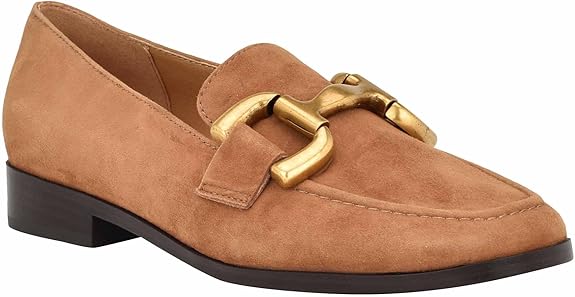
Navy Wide-Leg Trousers + Ivory Chiffon Blouse + Tan Block-Heel Loafers + Structured Cognac Tote
The Vibe & Tip:
Authority meets elegance. French tuck the blouse and add a slim leather belt to define your waist.
Target Category: Presentation Ready



Tuesday:
Casual Professional

The Outfit Formula:
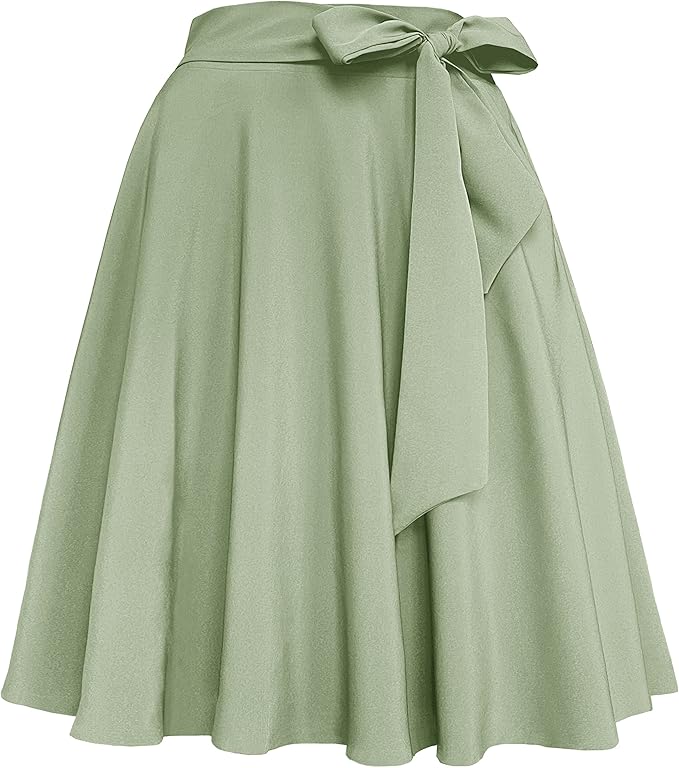
Sage Green Midi Skirt (A-line) + White Fitted Turtleneck + Cognac Ankle Boots + Gold Hoop Earrings
The Vibe & Tip:
Fresh, modern, and put-together. Pair with a long cardigan if the AC runs cold during the planning period.
Target Category: Smart Casual Sophistication


Wednesday:
Mid-Week Color

The Outfit Formula:
Beige Linen Paperbag Pants + Dusty Rose Relaxed Button-Down + White Leather Sneakers + Crossbody Bag
The Vibe & Tip:
Comfortable confidence for your busiest day. Roll the sleeves to the elbow for a laid-back vibe.
Target Category: Mid-Week Movement


Thursday:
Relaxed Layers

The Outfit Formula:
Dark-Wash Straight Jeans + Cream Ribbed Tank + Camel Long Cardigan + Black Pointed Flats
The Vibe & Tip:
Cozy meets refined. Add a silk scarf tied loosely around your neck for an instant style upgrade.
Target Category: Thoughtful Layers


Friday:
Smart Casual

The Outfit Formula:
Black Slim Jeans + School Colors Graphic Tee + Light-Wash Denim Jacket + White Canvas Sneakers
The Vibe & Tip:
Cool teacher energy for pep rallies and half-days. Tuck the tee and cuff the jacket sleeves.
Target Category: Casual School Spirit


Fabric, Fit, and Maintenance
Realities
Natural fibers outperform synthetics in
teaching environments because they breathe, resist odor, and age gracefully.
Cotton, linen, and wool blends are worth the higher initial cost because they
last longer and remain presentable after repeated laundering. Synthetic blends
have their place — particularly in trousers where a small percentage of stretch
fabric improves comfort and shape retention — but avoid anything that is
entirely polyester or acrylic. These fabrics trap heat, pill quickly, and look
cheap even when new.
Fit matters more than size. Clothing that is
too tight restricts movement and creates visible strain across seams. Clothing
that is too loose looks sloppy and can be distracting in a classroom setting.
For teachers, the ideal fit allows full arm extension (for writing on boards),
comfortable sitting (for working with students at desks), and unrestricted
bending (for retrieving dropped items or helping students on the floor). Test
all clothing through these movements before wearing it to school.
Maintenance should be factored into
purchasing decisions. Teachers do not have time for elaborate garment care.
Choose machine-washable items where possible, and accept that hand-wash-only or
dry-clean-only pieces will either be worn infrequently or ruined quickly.
Fabrics that wrinkle excessively — linen, certain cottons — require either
acceptance of wrinkles as part of the aesthetic or commitment to ironing, which
many teachers do not have time for on weekday mornings. Choose accordingly.
Investing Strategically in a
Teacher's Salary
Teachers are not highly paid, which makes
wardrobe budgeting a genuine constraint rather than an abstract consideration.
The strategy should prioritize cost-per-wear rather than upfront price. A £90
pair of trousers worn twice a week for two years costs 43 pence per wear. A £30
pair worn ten times before losing shape costs £3 per wear. The expensive
trousers are the economical choice.
Allocate budget to items that endure the most
wear: trousers, shoes, and outer layers. These pieces determine the foundation
of every outfit and suffer the most stress. Tops can be purchased more
affordably because they experience less physical strain and can be rotated more
frequently without being noticed. A teacher can wear the same navy trousers
twice in one week without comment, but wearing the same distinctive top twice
will be remarked upon by students.
Sales, outlet stores, and secondhand options
are all legitimate sources for teacher wardrobes. The key is knowing what you
need before shopping so that sales become opportunities rather than temptations
to buy unnecessary items. A list of needed basics — another white shirt,
replacement chinos, a spring-weight cardigan — prevents impulse purchases and
ensures that sale shopping actually saves money rather than simply redirecting
it.
Sustainable Professional
Presence
The goal of a teacher's wardrobe is not fashion
leadership but sustainable professional presence. You should look competent,
approachable, and put-together without dedicating excessive time, money, or
mental energy to the effort. This requires a strategic approach: buy less, buy
better, rotate intelligently, and maintain properly. The five outfits presented
here demonstrate that principle. Each uses versatile basics combined in
different ways to create visual variety without wardrobe excess.
Teaching is demanding work that deserves
clothing that supports rather than complicates your day. Invest in pieces that
fit well, move comfortably, and withstand regular use. Accept that your
wardrobe will be noticed and sometimes commented upon by students, and choose accordingly.
Aim for professional neutrality rather than memorable statement pieces. And
remember that the best teacher outfit is the one you do not have to think about
once you have put it on — the one that allows you to focus on teaching rather
than adjusting, smoothing, or worrying about whether you look appropriate. That
is the standard worth pursuing.


